

The automobile industry is rapidly moving towards cleaner and more sustainable fuel options. While electric vehicles are currently dominating the market, hydrogen-powered vehicles are now becoming one of the most exciting technologies for the future.
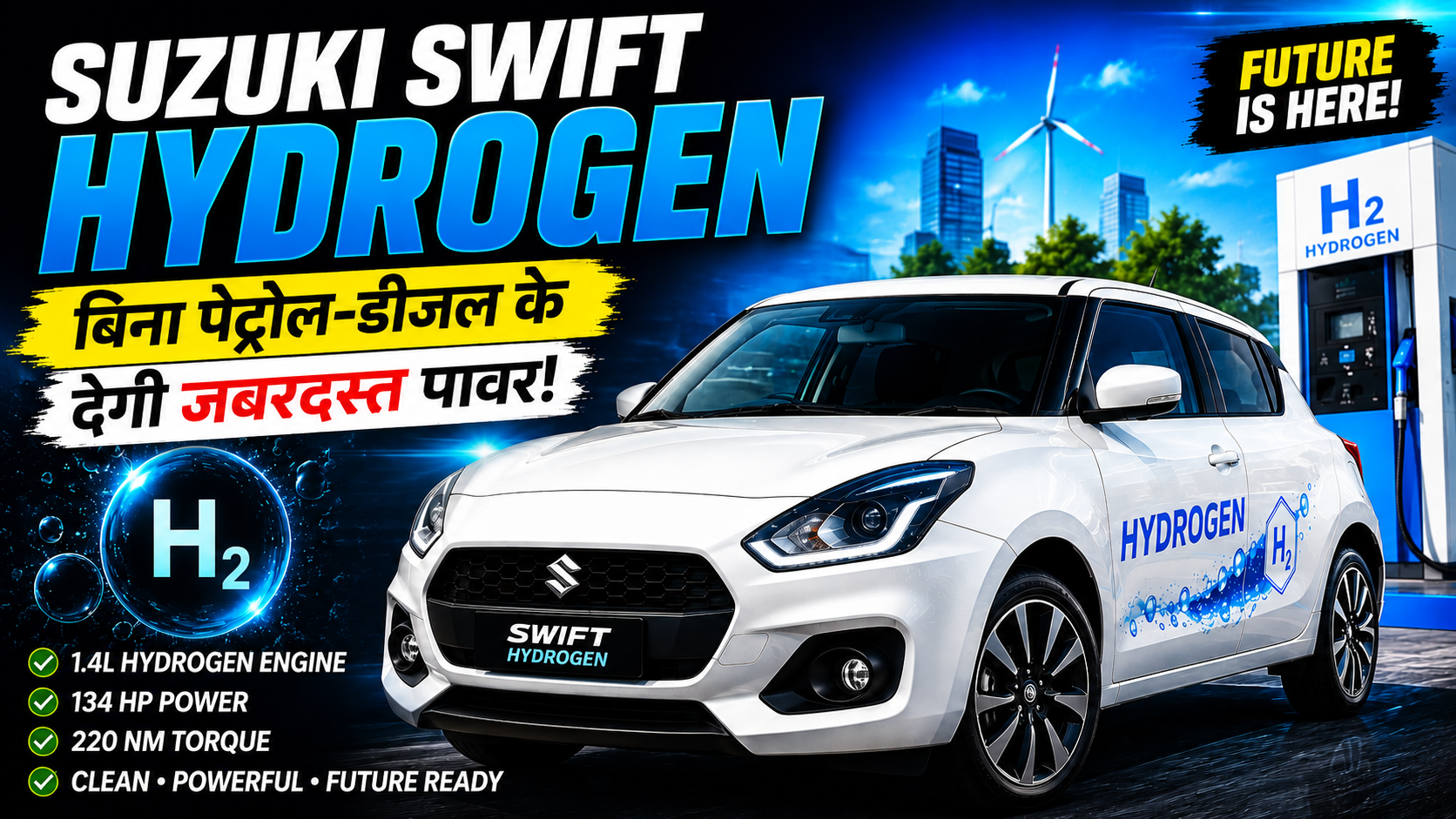
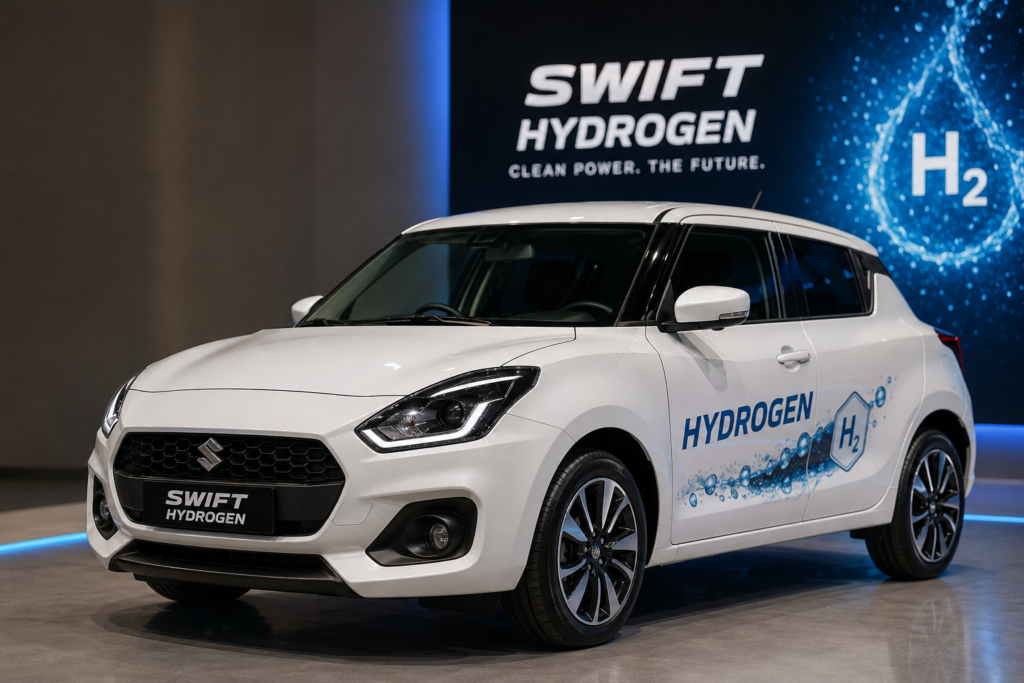
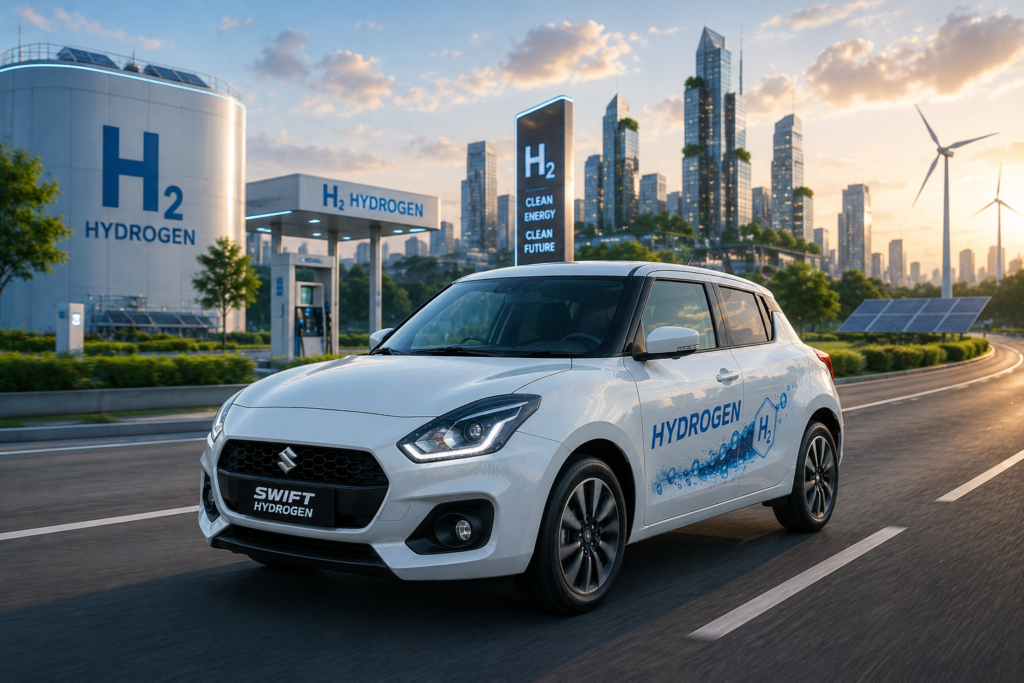
In a surprising development, Austrian powertrain company AVL Technologies has partnered with Suzuki to unveil a hydrogen-powered version of the popular Suzuki Swift. The prototype has already created buzz among automobile enthusiasts because it delivers strong performance without using petrol or diesel.
,
Hydrogen-Powered Suzuki Swift Finally Revealed
Most hydrogen vehicles currently use Fuel Cell Electric Vehicle (FCEV) technology. However, Suzuki’s latest prototype takes a different approach.
Instead of a fuel-cell setup, this Swift uses a Hydrogen Internal Combustion Engine (Hydrogen-ICE). Experts believe this technology could become a more practical and affordable option for passenger vehicles in the future.
The prototype is based on the second-generation Suzuki Swift (Mk2), although it has been heavily modified for testing and development.
Powerful 1.4L Hydrogen Engine
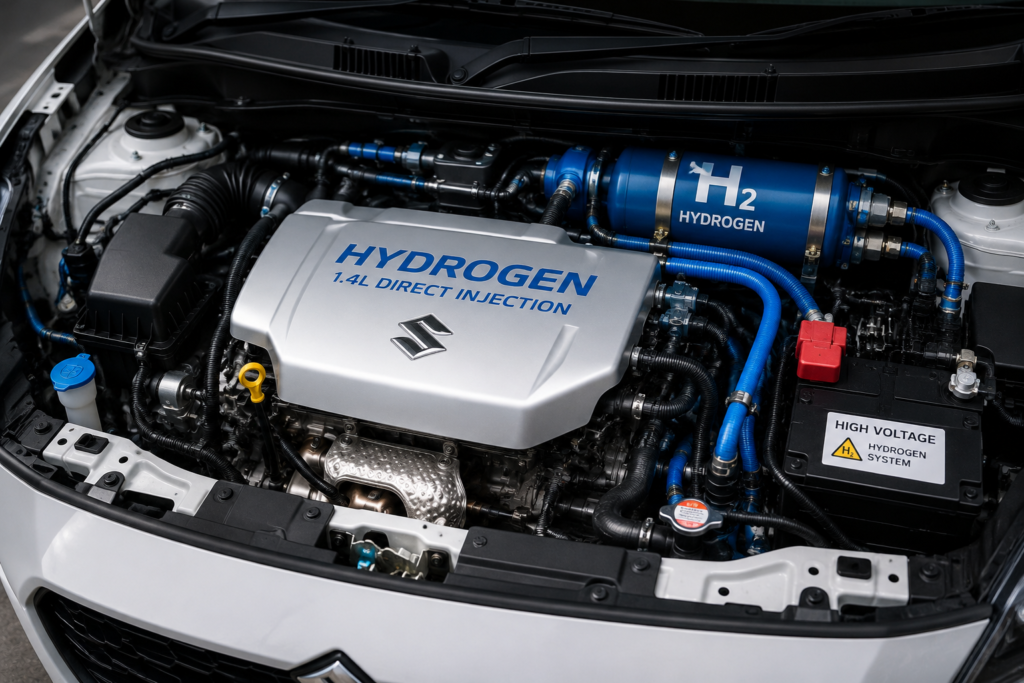
AVL Technologies handled the complete engineering and calibration work for this project.
The hydrogen-powered Swift comes with a 1.4-litre direct-injection hydrogen engine capable of generating:
• 134 HP power
• 220 Nm torque
Interestingly, the hydrogen engine reportedly delivers around 13 HP more power and 20 Nm more torque compared to standard ICE versions.
This proves that clean-energy vehicles can still offer exciting driving performance.
Why Hydrogen Cars Are Important
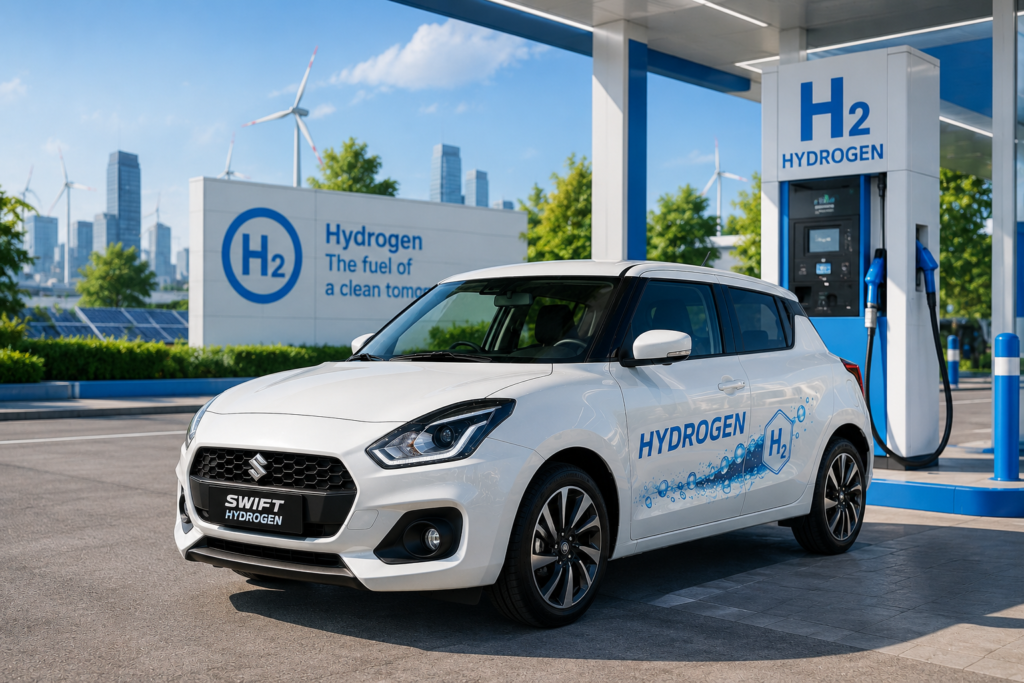
Automobile manufacturers around the world are searching for alternatives to fossil fuels. Hydrogen technology is being seen as one of the strongest future solutions because of several advantages:
• Quick refuelling time
• Lower emissions
• Better long-distance capability
• Familiar engine architecture
Unlike battery-electric vehicles, hydrogen combustion engines also feel closer to traditional driving experiences.
Connection With India’s Hydrogen Mission
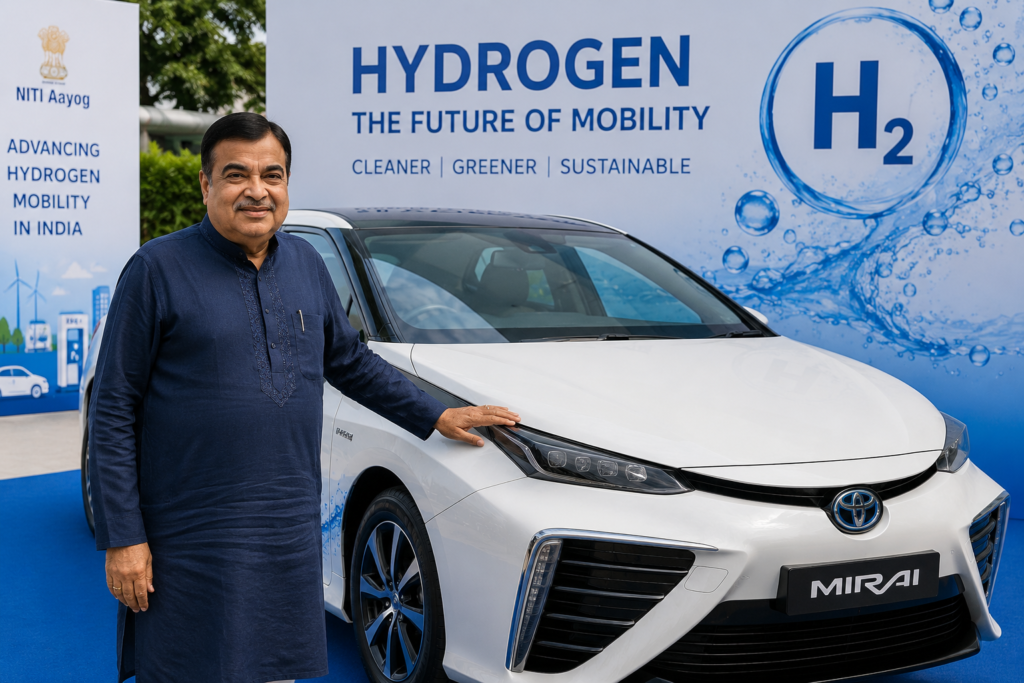
Union Minister Nitin Gadkari has repeatedly promoted hydrogen as a future mobility solution for India along with EVs, ethanol, and CNG vehicles.
The Indian government has already initiated pilot projects and policy discussions related to hydrogen infrastructure development.
To encourage awareness, Gadkari himself has previously used the hydrogen-powered Toyota Mirai.
Although hydrogen vehicles may still take time to become mainstream, government support for this technology is steadily growing.
Will Suzuki Launch This Hydrogen Swift in India?
Currently, this vehicle is only a technology demonstrator prototype, meaning a commercial launch is unlikely anytime soon.
However, if Maruti Suzuki decides to move this project toward mass production, it could become a major breakthrough for India’s clean mobility future.
Considering the huge popularity of the Swift in the Indian market, a hydrogen-powered version could significantly accelerate public interest in alternative fuel vehicles.
Final Verdict
The hydrogen-powered Suzuki Swift is not just another concept car. It represents a major step toward a future where powerful cars may no longer depend on petrol or diesel.
While the technology is still evolving, this prototype clearly shows that hydrogen engines could become a practical and performance-focused alternative in the coming years.
FAQ Section
FAQs
Is the Suzuki Swift Hydrogen an electric car?
No, the Suzuki Swift Hydrogen uses a hydrogen-powered internal combustion engine instead of a fully electric setup.
How much power does the hydrogen Swift produce?
The prototype produces 134 HP power and 220 Nm torque.
Will the hydrogen Swift launch in India?
Currently, it is only a prototype, and Suzuki has not confirmed an official launch timeline.
Why are hydrogen cars important?
Hydrogen vehicles offer lower emissions, fast refuelling, and long driving range, making them a strong future mobility solution.
Which hydrogen car is already used in India?
Toyota Mirai is one of the most well-known hydrogen-powered vehicles showcased in India.